Why is the round meeting table becoming a symbol of modern collaboration?
Published on: 17 February, 2026
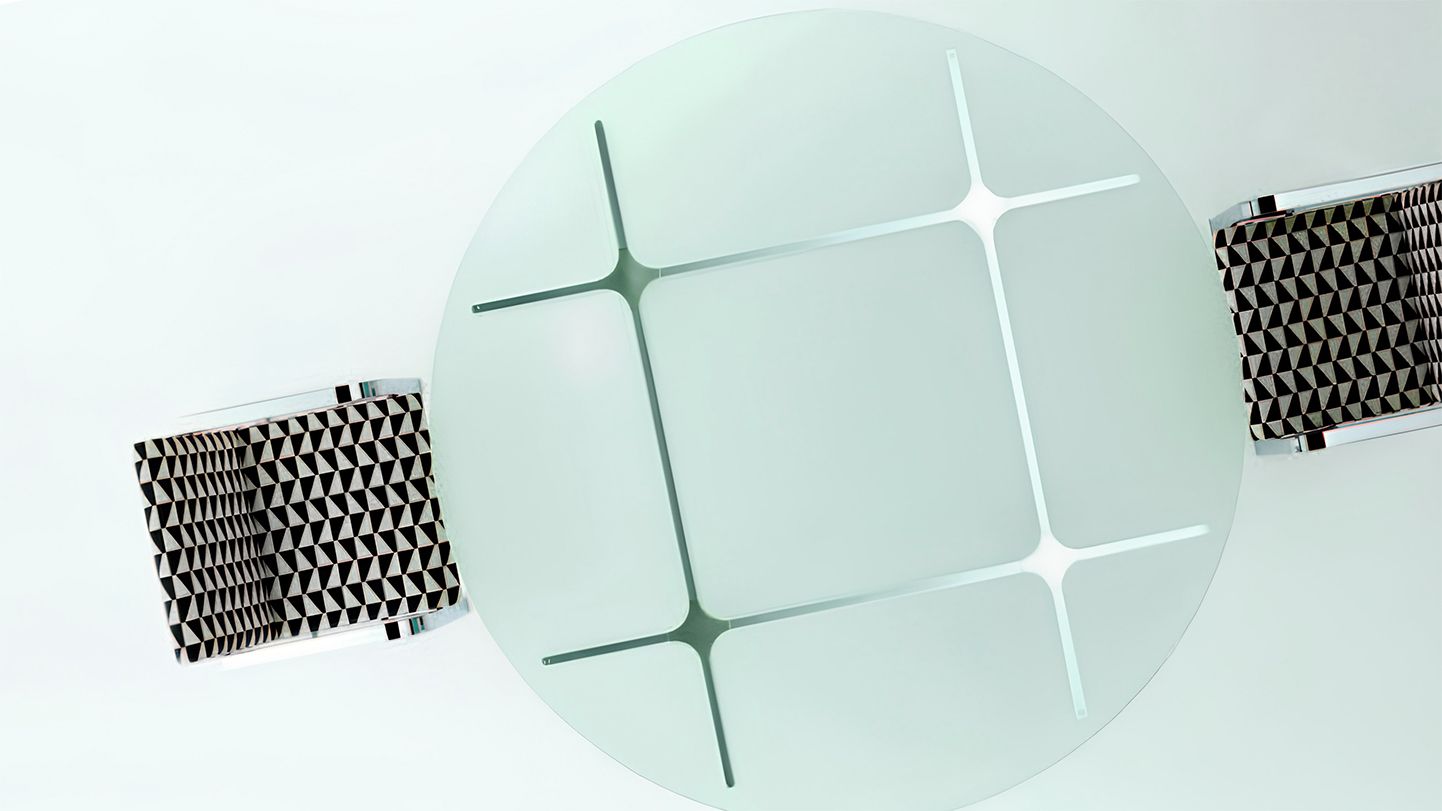
More than a simple geometric choice, the round meeting table has become a powerful expression of how companies work, meet, and make decisions today. Balanced, inclusive, and timeless, it transforms collaboration into a shared experience and so on dialogue flows naturally and every voice finds space.
From geometry to meaning: a meeting table as a design manifesto
At first gaze, a round meeting table is defined by a simple and pure geometry. Yet behind this essential form lies a deeper meaning. The circular shape bypasses hierarchies, removes the idea of a “head of the table,” and places all participants on the same level. This makes the meeting table a natural facilitator of openness, dialogue, and collective thinking.
In today workplaces, where collaboration is more and more horizontal, this type of geometry becomes a design manifesto. A round table encourages eye contact, participation, and fluid interaction, making it ideal for brainstorming sessions, team discussions, and strategic conversations. It supports a way of working those values listening as much as speaking, collaboration as much as decision-making.
Beyond its symbolic value, round meeting table also stands out as an iconic furnishing element. Its elegance proportions and timeless presence allow it to define a space without dominating it. Rather than following short-lived trends, it represents a long-lasting design choice.
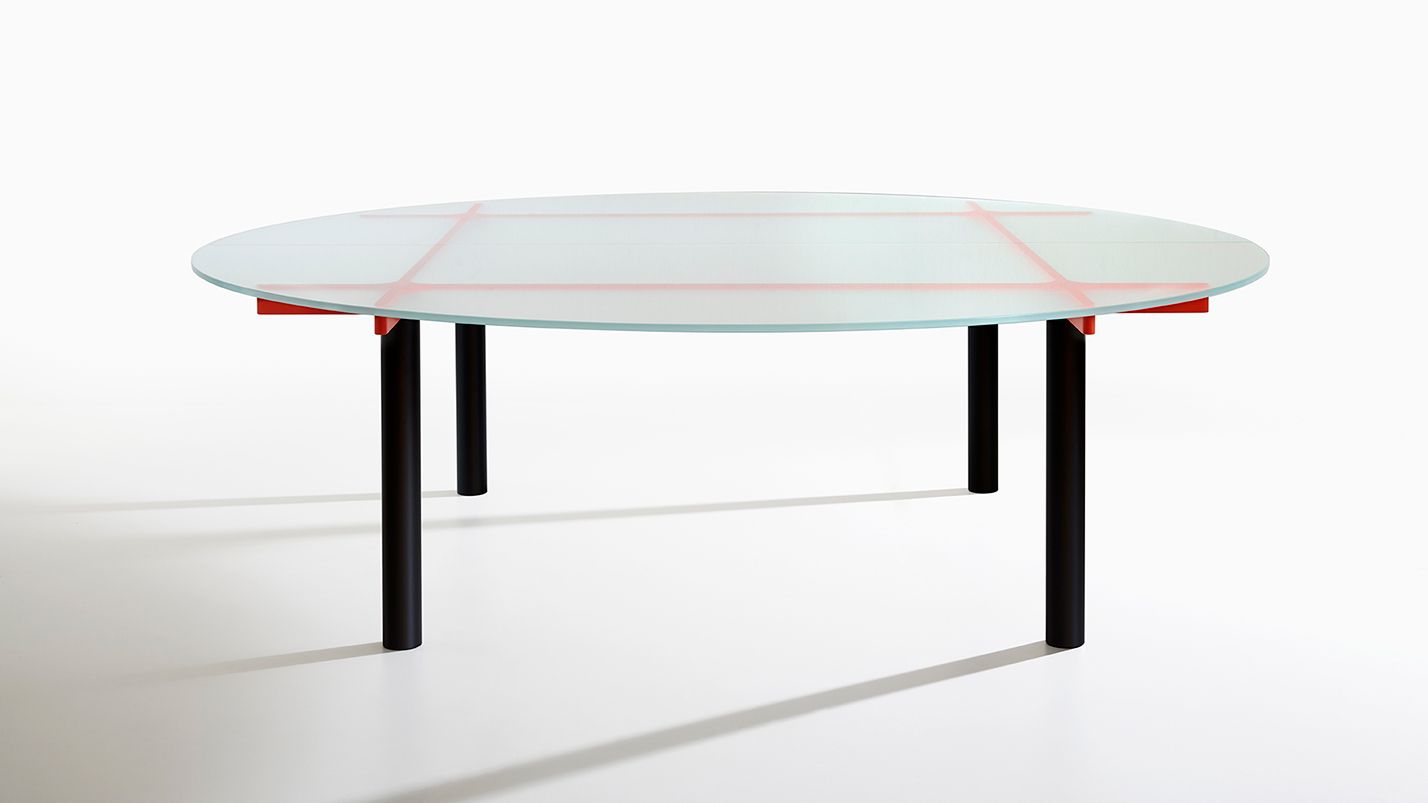
Balance: an iconic round meeting table designed to last
Within this context, Balance stands as a timeless, minimal round meeting table from the drawing of Bartoli Design, produced by IOC project partners since 2005. Designed as a synthesis of form, function, and proportion, Balance has always embodied the idea that a meeting table should do more than simply occupy space, it should give it meaning.
Balance is not conceived as a furniture product, but as a central element around which collaboration naturally unfolds. Its clean lines and carefully studied geometry create a sense of stability and visual harmony, making it suitable for both representative environments and everyday working spaces. This versatility has made Balance a timeless product, capable of remaining relevant as workplace cultures evolve.
In the coming months, Balance will be reintroduced with new finishes, reinforcing its contemporary character while preserving its original identity. This evolution reflects IOC’s approach to design: products are not replaced but refined and enhanced to respond to new aesthetic sensibilities without losing their meaning. As a round meeting table, Balance continues to express an idea of work based on equilibrium, continuity, and shared presence.
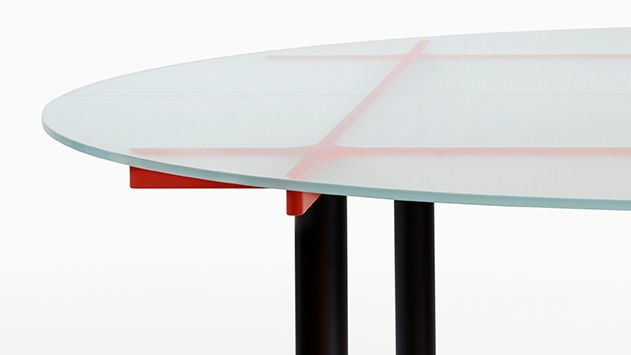
A round meeting table as a tool for business, collaboration, and well-being
Today, a round meeting table is no longer just worktop supported by legs. It has become a true business tool that shapes relationships, influences behavior, and contributes to a sense of well-being within the workplace. By fostering equality and encouraging collaboration, it supports more serene and productive working dynamics.
In meeting rooms, executive spaces, or collaborative hubs, the round shape helps create environments where people feel comfortable exchanging ideas, making decisions, and working together. Its form promotes calm and balance, reinforcing the idea that effective collaboration is built on clarity, trust, and shared purpose.
At IOC project partners, we believe that a meeting table should adapt to different contexts while remaining coherent with the identity of the space it inhabits. Balance embodies this philosophy: an iconic product designed to support teamwork, express corporate values, and stand the test of time.
If you are looking for a round table that goes beyond function: becoming a symbol of collaboration, design culture, and business vision—Balance represents a timeless answer, ready to evolve with the way we work today and tomorrow.