Meeting conference room tables: a hybrid product for collaboration and teamwork
Published on: 10 February, 2026
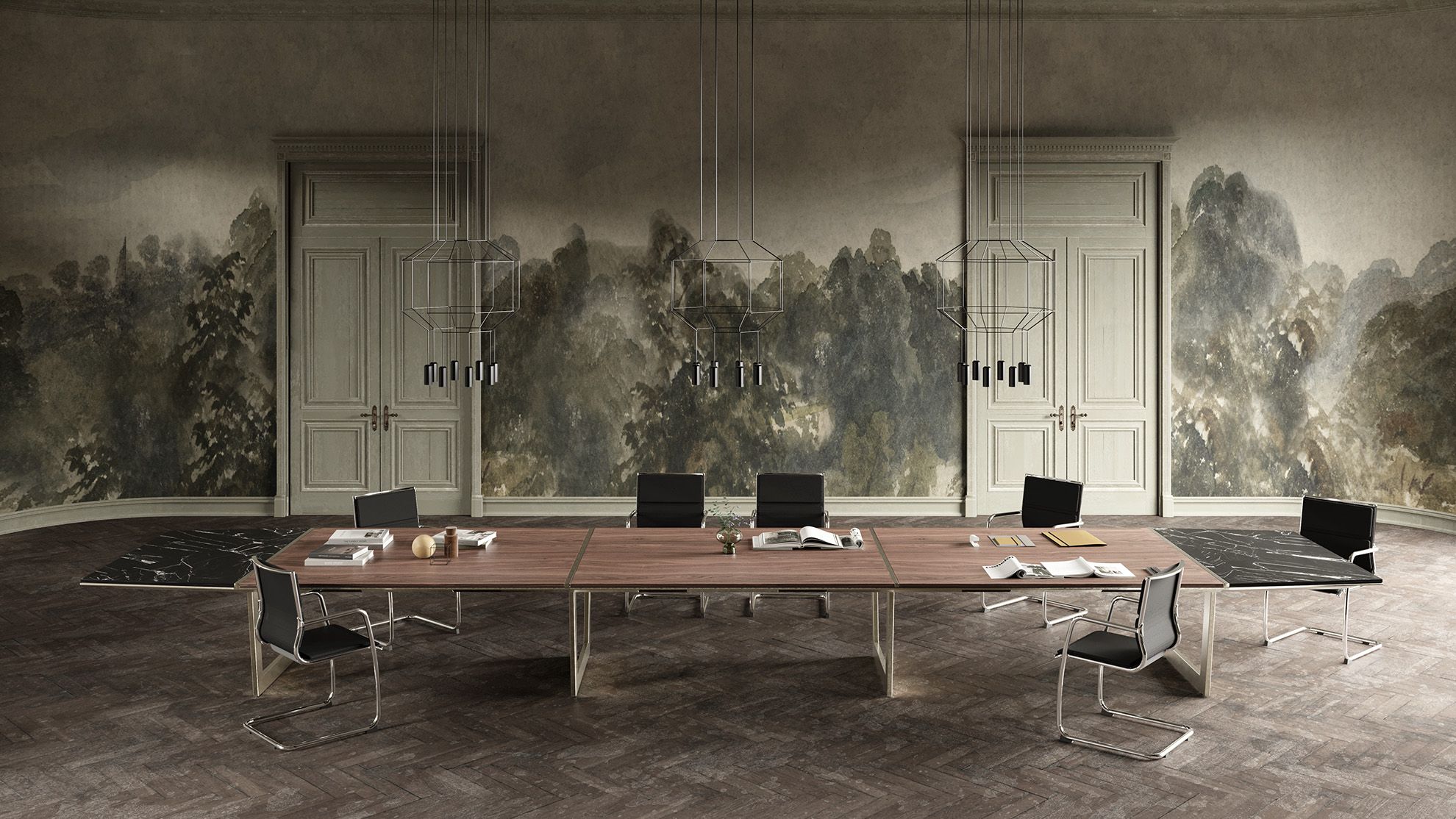
Meeting conference room tables are no longer just functional surfaces placed at the center of a room. In today’s workplaces, they have evolved into hybrid products that support collaboration, teamwork, decision-making, and daily operational activities. As offices move away from rigid hierarchies and fixed layouts, the meeting table becomes a key element in enabling interaction and shared work.
Contemporary meeting tables must balance multiple needs. They have to encourage dialogue and comparison, while also supporting real work: laptops open, documents spread out, hybrid meetings in progress. Whether used for quick exchanges, operational teamwork, or strategic discussions, these tables are central to how people connect and collaborate within the office.
This evolution reflects a broader cultural shift. Collaboration is no longer limited to formal meeting rooms, and work itself often happens around a shared surface. As a result, meeting conference room tables are increasingly designed as versatile systems, able to adapt to different spaces, teams, and levels of importance.
Meeting conference room tables as flexible design tools
Flexibility has become a defining value in workplace design. Offices today are dynamic environments, constantly adapting to changing workflows, team structures, and business priorities. Within this scenario, meeting conference room tables, shaping how space is used and experienced.
Rather than being conceived for a single, fixed function, modern meeting tables are designed to fit into different contexts: private offices, shared operational areas, informal meeting zones, and large conference rooms. Dimensions, shapes, finishes, and configurations all contribute to how the table supports interaction and collaboration.
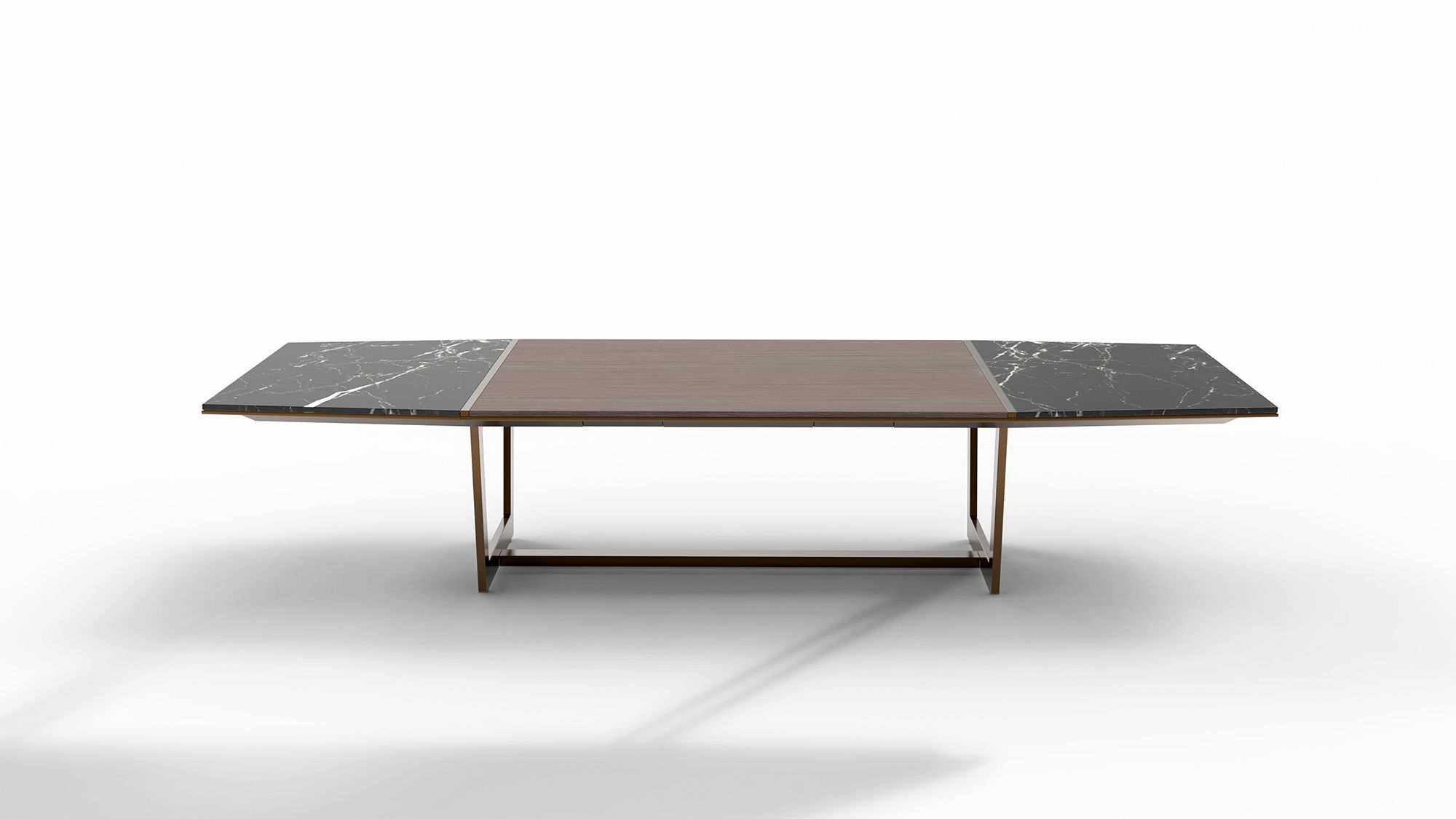
A well-designed meeting conference room table can subtly influence behavior. Linear tables support structured discussions and presentations, while more compact or rounded solutions foster openness and equality. Materials and details communicate the level of formality of a space, aligning the table with the identity and role of the environment it belongs to.
Modular and configurable meeting conference room tables allow companies to respond to growth and change while maintaining coherence across the workplace.
Types of meeting tables: one product, different roles
Not all meeting tables serve the same purpose. Depending on the context and the type of interaction they support, they can be grouped into three main typologies:
Side meeting tables: Compact and informal, these tables are often placed inside executive offices or close to workstations. They support quick meetings, one-to-one conversations, and spontaneous exchanges, offering an agile alternative to formal meeting rooms.
Operative meeting tables: Designed for daily teamwork, these tables are where collaboration truly happens. They support longer working sessions, team discussions, and project development. Comfort, durability, and integrated power and connectivity are essential, as these meeting conference room tables often become the operational core of a team.
Board meeting tables: The most representative expression of meeting conference room tables, board tables are designed for large meetings and strategic decision-making. Placed in executive or institutional spaces, they combine refined materials, precise proportions, and advanced technical solutions, becoming a symbol of leadership and corporate identity.
These three typologies show how meeting conference room tables must adapt not only to space, but also to the degree of formality, collaboration, and responsibility they are meant to support.
The checklist for the perfect meeting conference room table
Choosing the right meeting conference table is never just a formal or aesthetic decision. It is a strategic choice that directly affects how people work together. At IOC project partners, we approach meeting tables as part of design vision, capable of responding to very different needs with a single, coherent system.
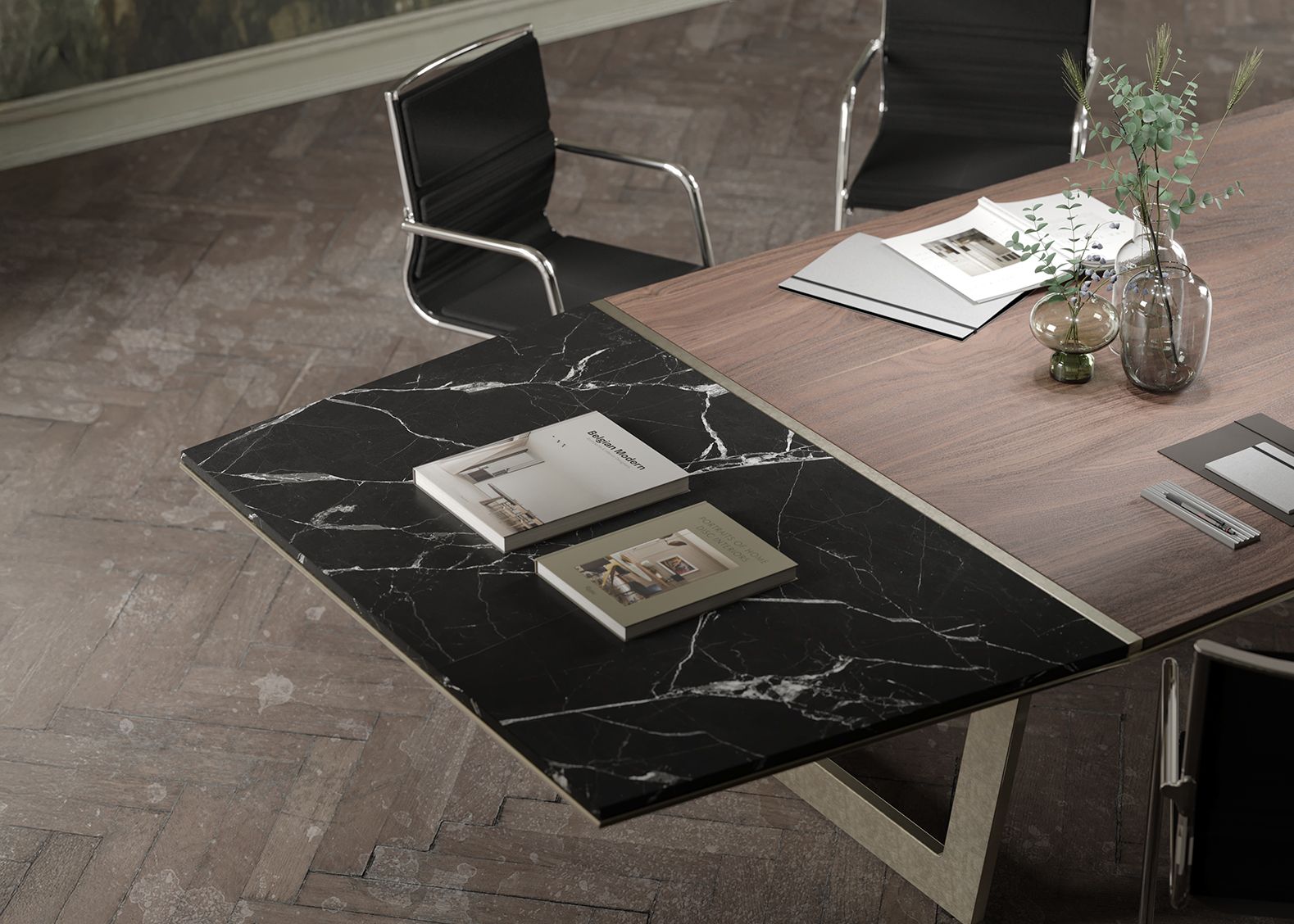
The perfect meeting conference room table should be able to:
- adapt to different spaces and layouts
- support both collaboration and focused work
- reflect the identity and importance of the environment
- integrate technology discreetly and efficiently
- remain flexible over time as needs evolve
This is why our approach is not about a single product, but about customizable solutions that can move seamlessly from side meeting tables to operative and board configurations. By combining design clarity, technical expertise, and material quality, IOC project partners develops meeting conference room tables that truly support the way people meet, collaborate, and make decisions today.
For an overview of our meeting table solutions, explore the dedicated category page: ioc.it/categories/meeting.