Demountable partitioning: the story and advantages of Ultralight
Published on: 26 November, 2025

A new era of demountable partitioning
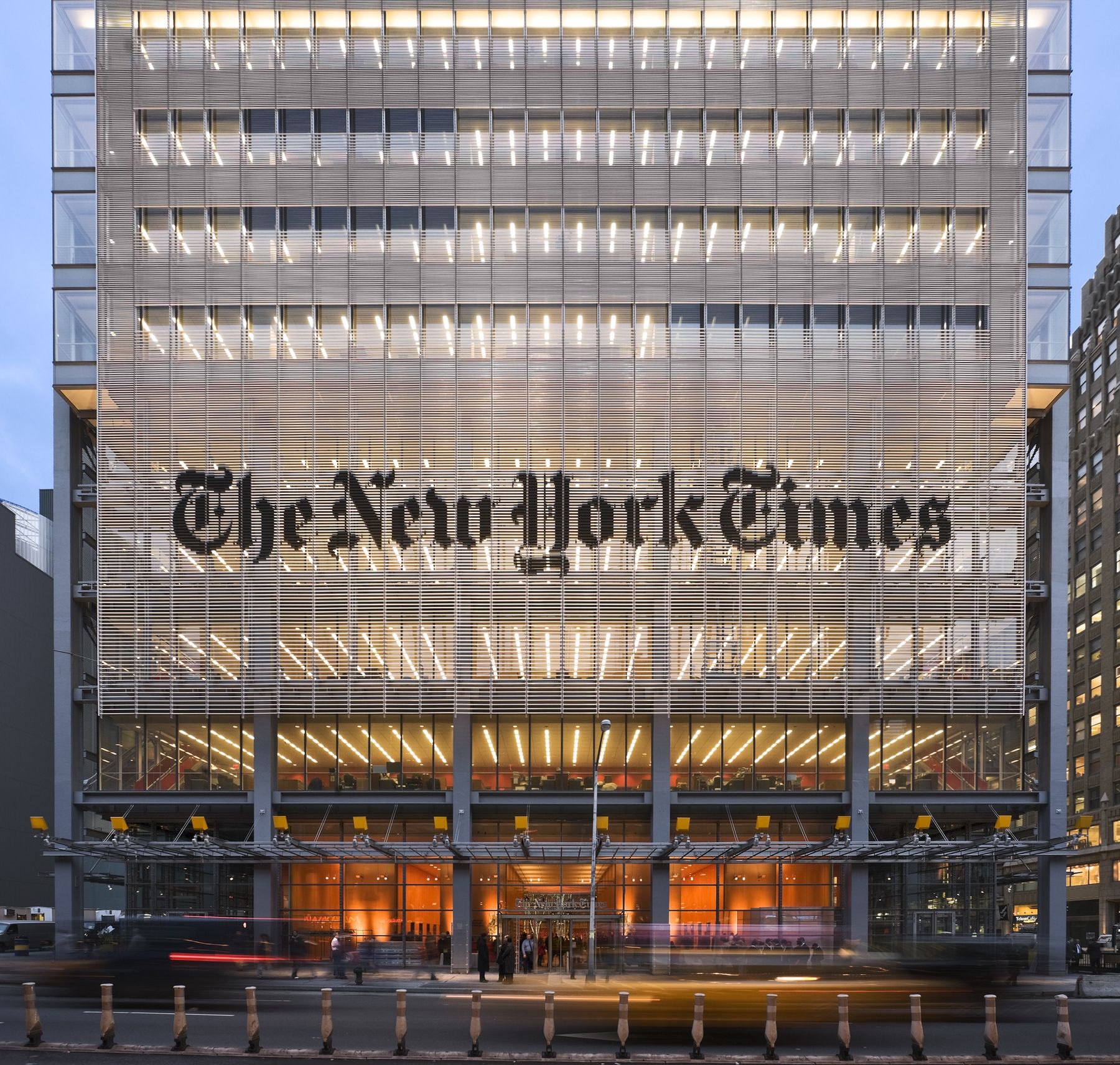
Ultralight was born from a very specific request by a major architectural firm, aiming to create a demountable partitioning system that combined elegance, versatility, and technical precision. From the outset, the goal was clear: develop a modular solution capable of responding to increasingly sophisticated design requirements and to the demands of international markets. One of the first large-scale project in New York (the new headquarter of New York Times) became a decisive milestone, acting as a proving ground for both the product's technical performance and IOC project partners' logistical and project management expertise. This initial success set the stage for Ultralight to become a cornerstone of the company's portfolio and a reference point for architects worldwide
The appeal of Ultralight lies in its ability to speak the language of architects. Its minimalist design, refined proportions, and modular adaptability made it a favorite in projects where demountable partitioning needed to seamlessly integrate into complex spatial layouts. Architects appreciated that the system could balance functional performance with aesthetic coherence, providing transparent, solid, and hybrid wall solutions without compromising on elegance. Ultralight quickly proved that a partition system could be both technically efficient and visually refined, setting a new benchmark in office and commercial interiors
From few profiles to a comprehensive system
When Ultralight was first conceived, the system relied on just a few proprietary aluminum profiles, carefully designed and engineered in-house. Over the years, these initial profiles have evolved into a comprehensive library that now includes hundreds of elements, capable of addressing virtually every architectural challenge. Today, the system supports single- and double-glass panels, linear and curved walls, swing and sliding doors, and fully customized configurations, making it one of the most versatile solutions in demountable partitioning.
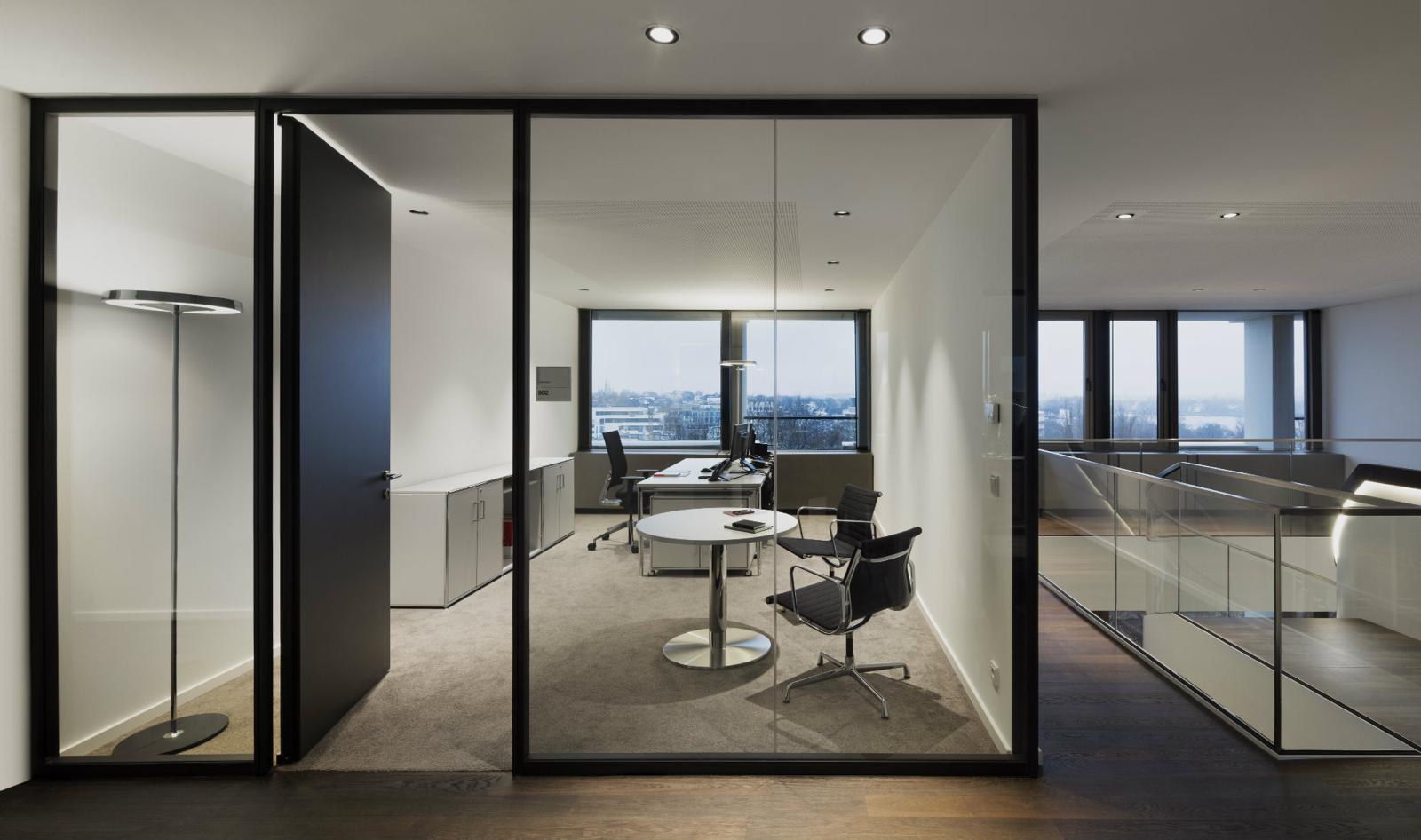
This evolution reflects decades of experience, research, and iterative innovation. Each profile is carefully designed to maintain the system's original elegance and modular flexibility, ensuring that even complex layouts can be executed efficiently. Ultralight's adaptability is a core advantage, allowing architects and clients to configure spaces for offices, meeting areas, and collaborative environments, all while maintaining the system's clean, timeless design language.
Why ultralight works: design meets function
Ultralight's success stems from its unique ability to translate architectural intent into functional reality. By combining modular design, precision engineering, and elegant aluminum construction, the system exemplifies the best qualities of demountable partitioning. Its adaptability allows for rapid reconfiguration of office spaces, while its sophisticated finishes ensure a lasting visual impact
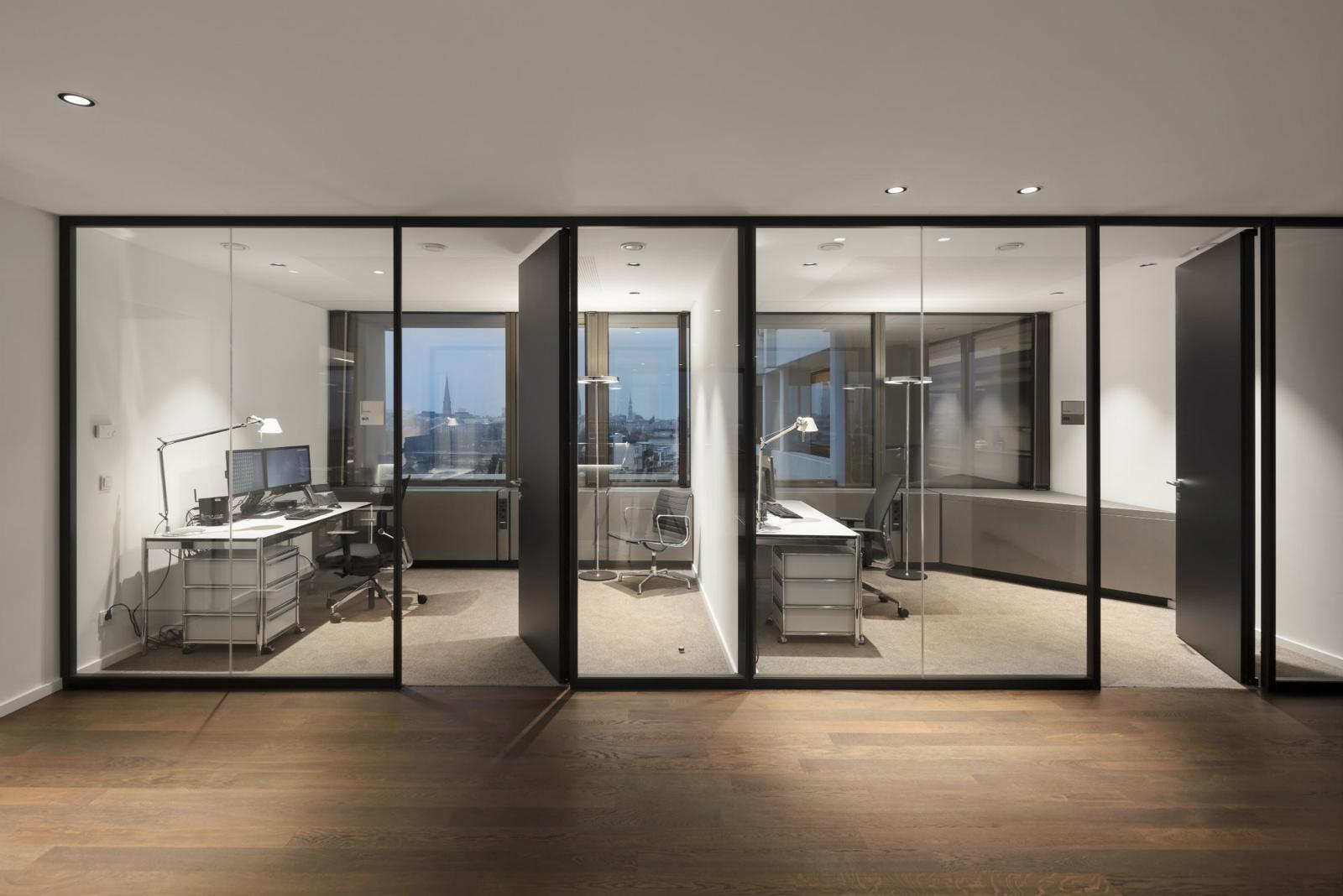
More than just a product, Ultralight represents a strategic approach to workspace design. The system's modularity, combined with expert project support, allows IOC project partners to offer complete solutions: from design to on-site installation and follow-up. Architects value this approach because it allows them to specify demountable partitioning systems that are flexible, functional, and aesthetically refined. Over time, the system has been adapted to countless design requests, proving its versatility in offices, headquarters, and commercial spaces around the world
Ultralight today: from product to project solution
Over the past two decades, Ultralight has become more than a modular wall system-it represents a philosophy of delivering complete project solutions. What started as a small, targeted system has evolved into a flexible toolkit capable of meeting complex architectural demands. By listening to architects and interpreting their vision, IOC has developed a system that combines technical excellence, modularity, and aesthetic elegance in demountable partitioning.
From the original few profiles to today's comprehensive library, Ultralight demonstrates how a modular approach to wall systems can drive innovation, efficiency, and creativity. Its enduring appeal lies in the balance between functionality, adaptability, and timeless design. Architects and clients can configure layouts, doors, and panel types with confidence, knowing that the system will perform consistently while maintaining its visual identity. In essence, Ultralight exemplifies how demountable partitioning has evolved from a simple product to a fully integrated project solution, reflecting decades of expertise and forward-thinking design.